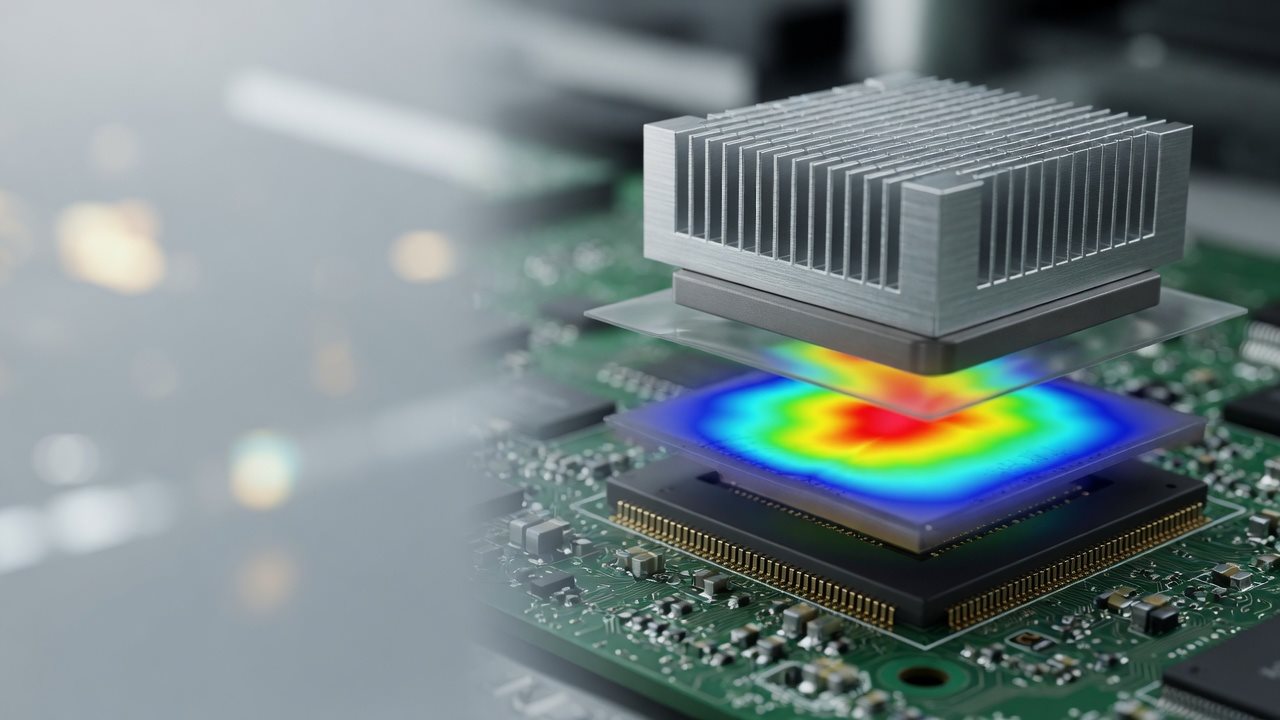
Heat sinks and interface materials
Review how contact is distributed between a device, thermal interface material and heat-spreading component under the defined assembly load.
Plan contact-pressure measurements for thermal, fixture, connector and electronics assembly interfaces. Pressure maps can help teams visualize contact patterns and compare test iterations when the selected setup fits the application.
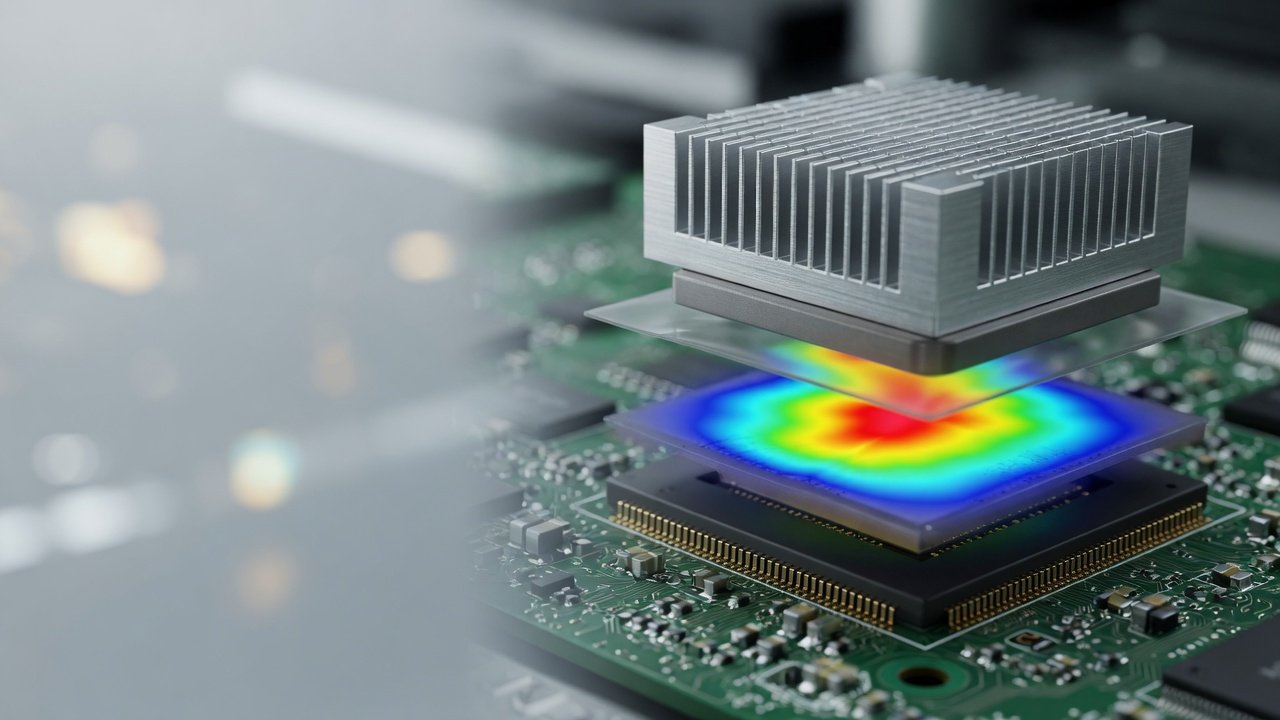
Pressure mapping for semiconductor and electronics work examines contact distribution across a defined precision interface. It may support comparison of heat-sink, thermal-interface, fixture, connector or clamping conditions by showing localized high and low contact regions. The map does not by itself prove thermal performance, yield or reliability; geometry, loading, environment and output must be reviewed together.
At a precision interface, the useful question is often not only how much load is applied, but where the load is carried. A mapped result can support test planning without assuming a fixed process or configuration.
These contexts are starting points for discussion. They do not establish suitability for a particular process or environment.
Review how contact is distributed between a device, thermal interface material and heat-spreading component under the defined assembly load.
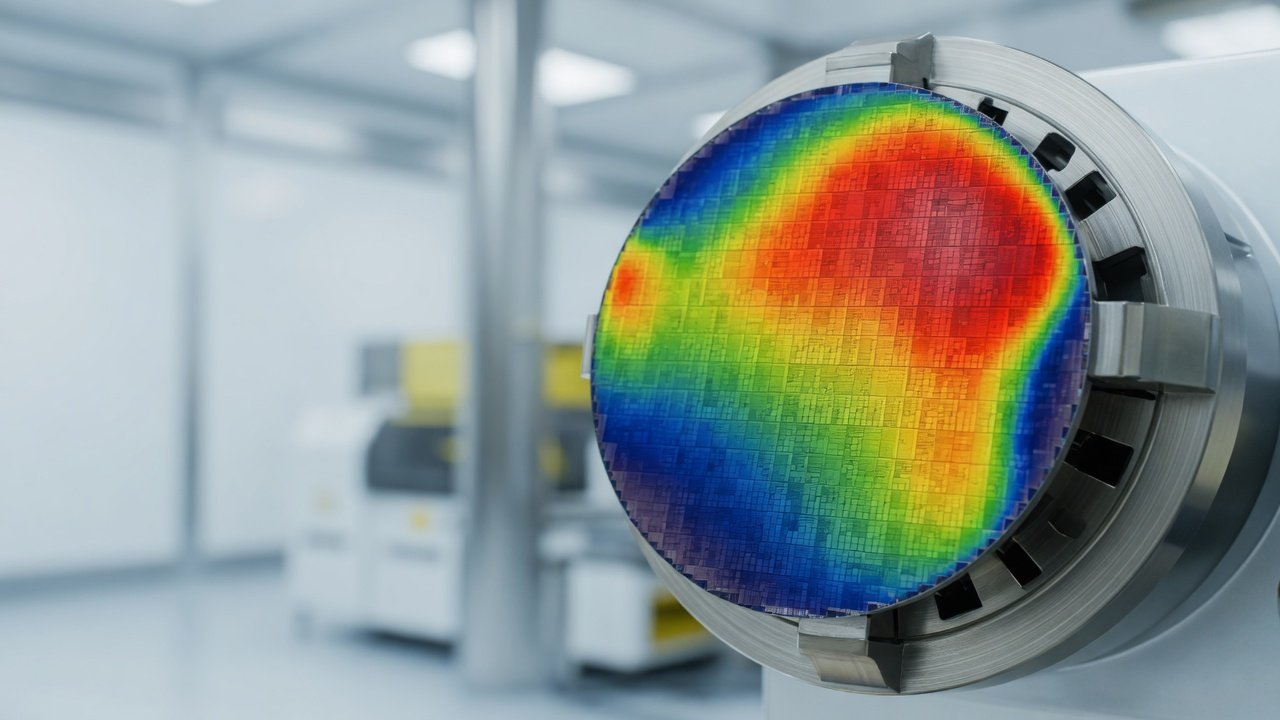
Visualize contact uniformity across a defined planar interface or fixture while keeping process suitability subject to application review.
Compare contact regions at fixtures, component interfaces or assembly steps where clamping and support conditions can be defined.
Review the contact pattern of a defined socket, connector or mating interface when sensor placement and access are practical.
Compare how fixture settings or assembly approaches distribute contact before a bonding or joining decision is reviewed.
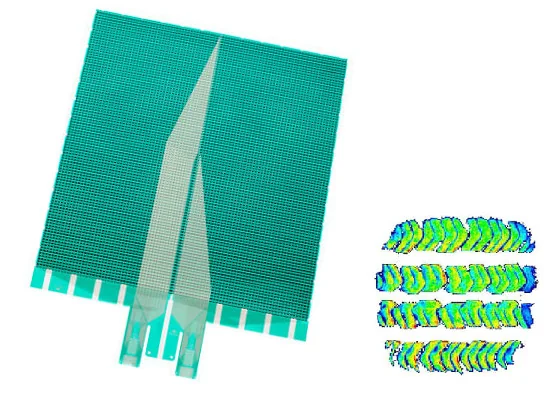
Use a defined method to compare iterations and discuss localized contact differences with engineering or quality teams.
A useful recommendation starts with the part, loading and decision—not with an assumed sensor format.
Share the contact area, geometry, access and any features that affect sensor placement.
Explain how the interface is assembled, clamped or actuated and what comparison is planned.
Identify process constraints so suitability can be reviewed rather than assumed.
Clarify whether the team needs visualization, iteration comparison, exported data or a reviewable report.
The exact measurement chain depends on the selected configuration and the constraints of the interface.
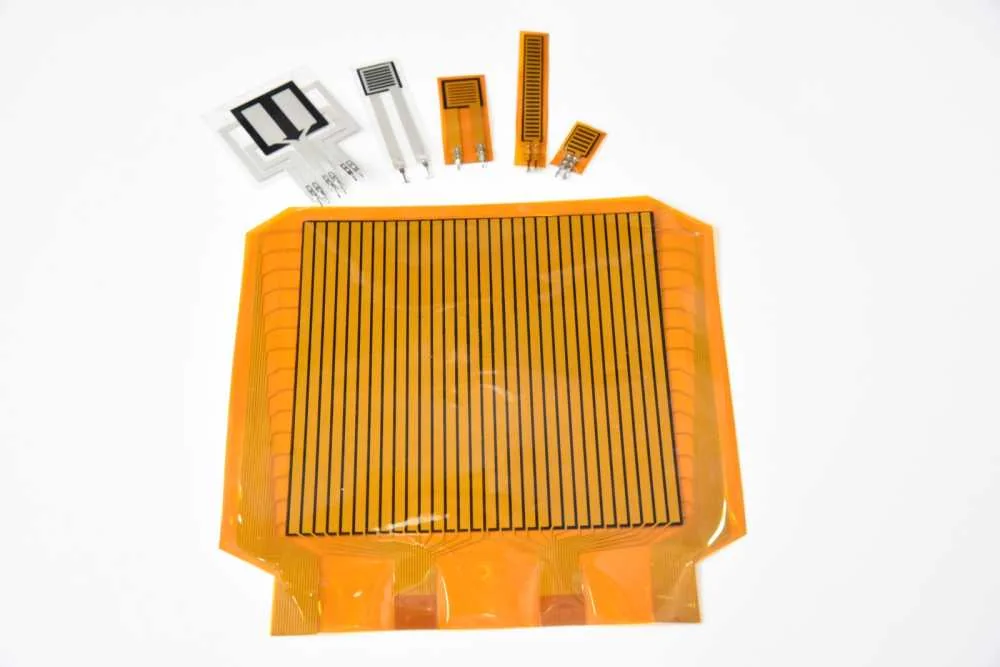
Confirm geometry, loading, access, environment and the intended engineering decision.
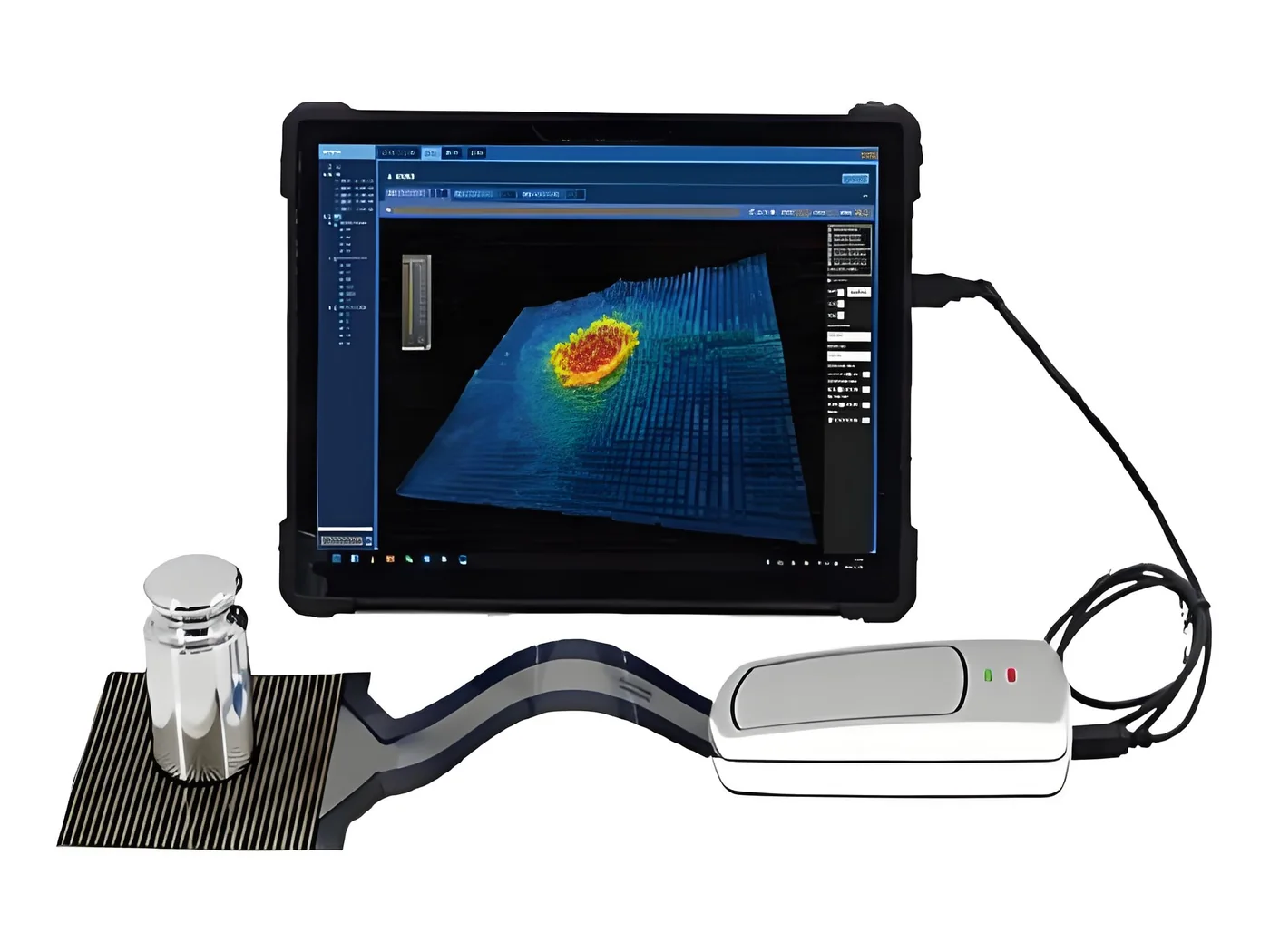
Review sensing area, spatial resolution, acquisition hardware and analysis needs together.
Apply the defined test condition and review the resulting contact distribution.
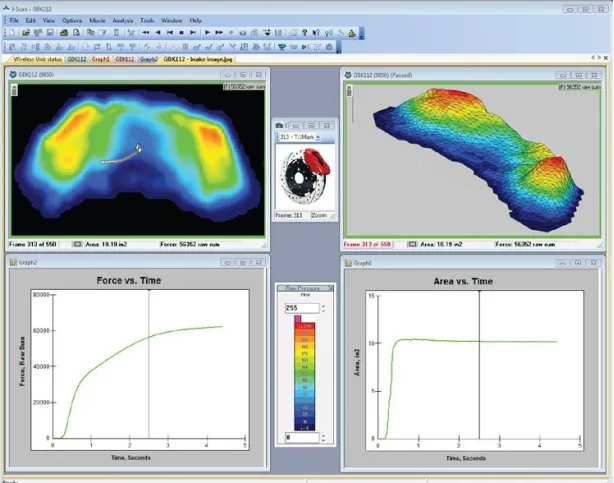
Compare iterations and prepare the outputs required for engineering or quality review.
Selection should follow the measurement objective. No fixed configuration is implied by this industry page.
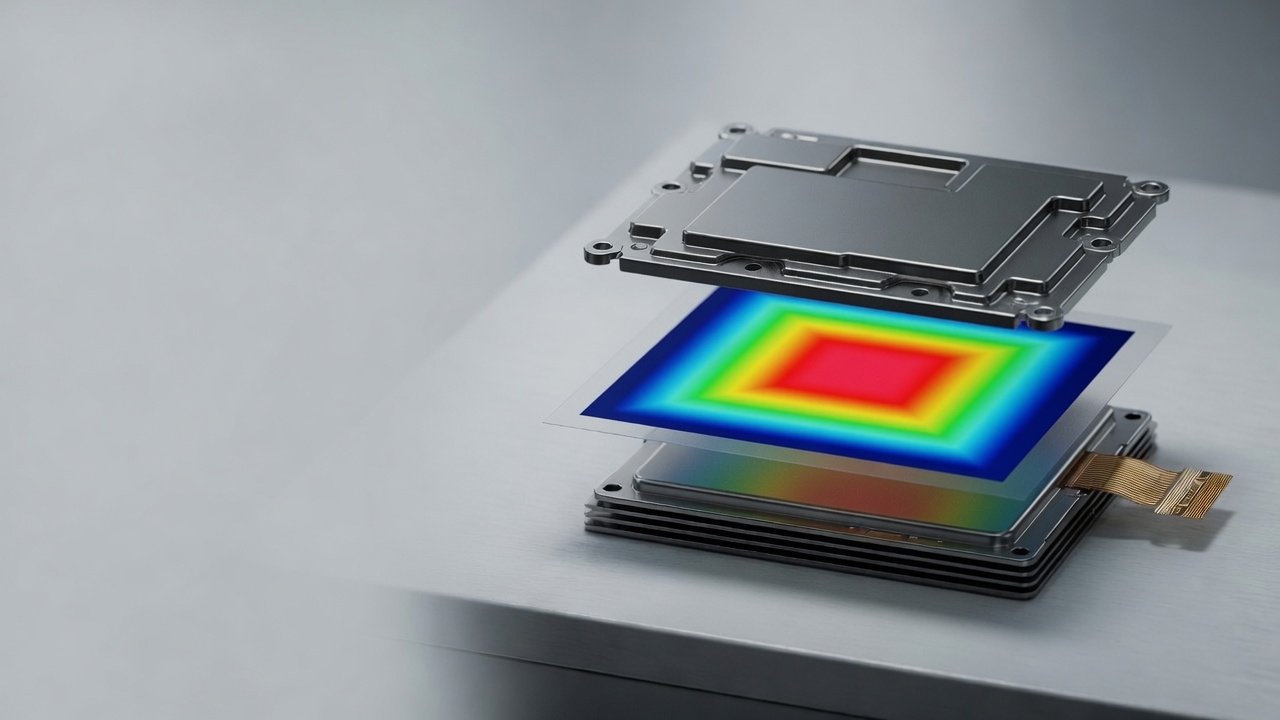
See the current measurement-chain overview on the Products page, then share the application constraints for review.
It may be considered where two surfaces meet and contact uniformity matters, such as heat-sink interfaces, thermal interface material compression, PCB fixtures, connectors, clamping and bonding steps. The configuration should be reviewed for the application.
No. Geometry, loading, sensing area, spatial resolution, environment and the output required all affect selection. The proposed sensor-system-software chain should be reviewed against the actual interface before quotation.
Depending on the selected configuration, teams may review a pressure map, compare high and low contact regions, compare test iterations and prepare outputs for engineering or quality discussions.
No. Environmental and process constraints must be stated and reviewed for the application. Suitability is not assumed from the industry name alone.
Use the current published pages to review the measurement chain or prepare an inquiry.
Share the surfaces, loading method, environment and result your team needs to review. PressMapper can help frame a configuration for application review.
Review application evaluationPrefer email? Reach us at info@pressmapper.com